

|
Getting your Trinity Audio player ready...
|
by MARK POWELL
***
AA traditional Jewish toast goes, “may you live to 120!” For centuries, that was more sentiment than scientific possibility.
Times are changing, though. Advances in healthcare and wellness programs have produced a sharp spike in people living long enough to reach the century milestone. Many people smiled this summer when comedic legend Mel Brooks turned 100. Former Federal Reserve chief Alan Greenspan hit the century mark in March (although he passed away three months later). And almost two years ago, Jimmy Carter became the first U.S. president to reach triple digits when he turned 100 on October 1, 2024.
Here in South Carolina, the U.S. Census Bureau estimates approximately 1,000 citizens are already 100 – or will hit the century mark by December 31.
With more people living longer, there’s a growing interest in how to become one of them.

***
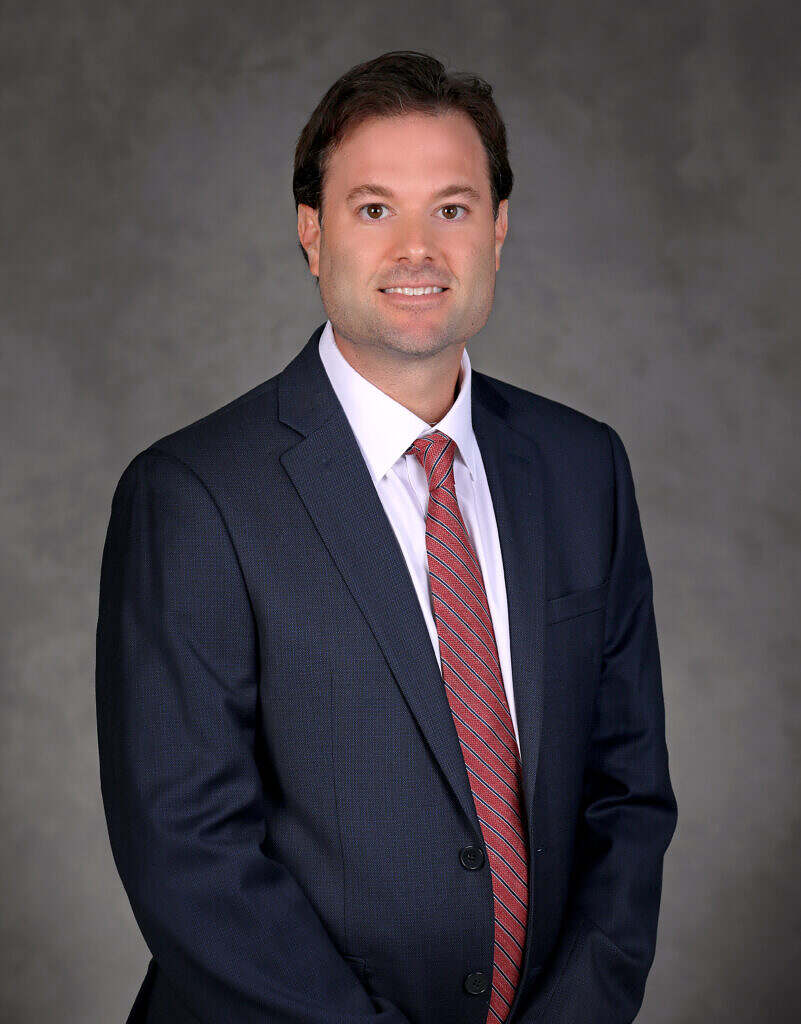
“The honest answer when people ask me about longevity is that it’s not something I can prescribe,” said Dr. Bartlett “Chip” Witherspoon, a family medicine doctor at Lexington Family Practice Forest Acres.
“Most of the answers are free, simple, and unglamorous,” he added.
Dr. Witherspoon is frequently asked about longevity by patients across the age spectrum.
“Most of my patients are interested in living a long, healthy and active life,” he said. “The 26-year-old aspires to live to 120, whereas the 40-year-old is coming to grips with mortality and wants to age gracefully. The 70-year-old wants to play with their grandkids.”
There’s more to longevity than simply racking up a lot of candles on your birthday cake, though. For as the old saying reminds us, “it’s not the years in your life that count but the life in your years.”
“The goal is to not necessarily increase lifespan; it’s to increase healthspan,” Dr. Witherspoon noted. “Lifespan is how long you live. Healthspan is how long you live combined with being able to be active and not necessarily dependent on others for your daily living and quality of life.”
***
***
As Dr. Witherspoon quickly points out, though, there’s no “secret formula” for achieving longevity and quality of life.
“It’s exercise; that’s always the number one most important thing,” he said. “Any longevity study will show you that exercise is the closest thing we have to a miracle drug. Two kinds really matter. There’s a steadiocar – steady cardio that gets your heart working, such as brisk walking, cycling or swimming. And then as you age, strength training with weights becomes more important for preserving your fitness level and maintaining your muscle strength. Those are two of the best predictors of how long you’ll live; better than pretty much any lab test.”
Other keys to longevity? Getting enough restful sleep each night – and being mindful of what goes into your body.
“Chronic poor sleep quietly damages nearly every system in the body,” Dr. Witherspoon noted. “Seven to nine hours of sleep a night is what’s needed. And obviously try to stay away from processed foods.”
***

***
There’s another crucial element many patients never consider – one worth bearing in mind as many in our society become increasingly immersed in screens.
“One thing that surprises people is relationships and having a sense of purpose play important roles when it comes to longevity,” Dr. Witherspoon said. “Being involved in the community, having close ties with friends and family, being outside your home, participating in events – as opposed to staying inside glued to a phone, a television or a tablet. These are incredibly meaningful components of longevity and have demonstrably been shown to increase quality and quantity of life.”
Best of all, Dr. Witherspoon added that regardless of your current age, it’s never too late to start applying these simple concepts. One recent appointment he had with an older patient illustrated that.
“There’s always something we can do to better set ourselves up for success as we continue to age,” he said. “I had an 89-year-old patient come in recently and she told me, ‘I’m getting worried about aging. I’ve been able to live independently until now.’ She wanted to know some things she could start doing to maintain her lifestyle and prevent having to go into assisted living.”
***
RELATED | THE IMPORTANCE OF ‘IMMUNIZATION AWARENESS MONTH’
***
“Sometimes, it’s something as easy as grabbing a set of three-pound weights while watching television,” he added. “She said she watched television a lot, so for her it was as simple as doing bicep curls or shoulder presses, and standing up and squatting as much as she could.”
“It’s also important to find a hobby that interests you to keep your mind sharp,” Dr. Witherspoon advised. “This particular patient was a fan of doing crossword puzzles, and I encourage all my patients to find something like that. You know, the quote athletes like to say, ‘1% better every day’ – it’s a reminder for us that small progress compounds over time.”
So, whether you’re a pre-teen, someone approaching late adulthood – or anyone in between – making basic changes now can produce big improvements later.
And may you wind up celebrating them by reaching 120, after all.
***
ABOUT THE AUTHOR…
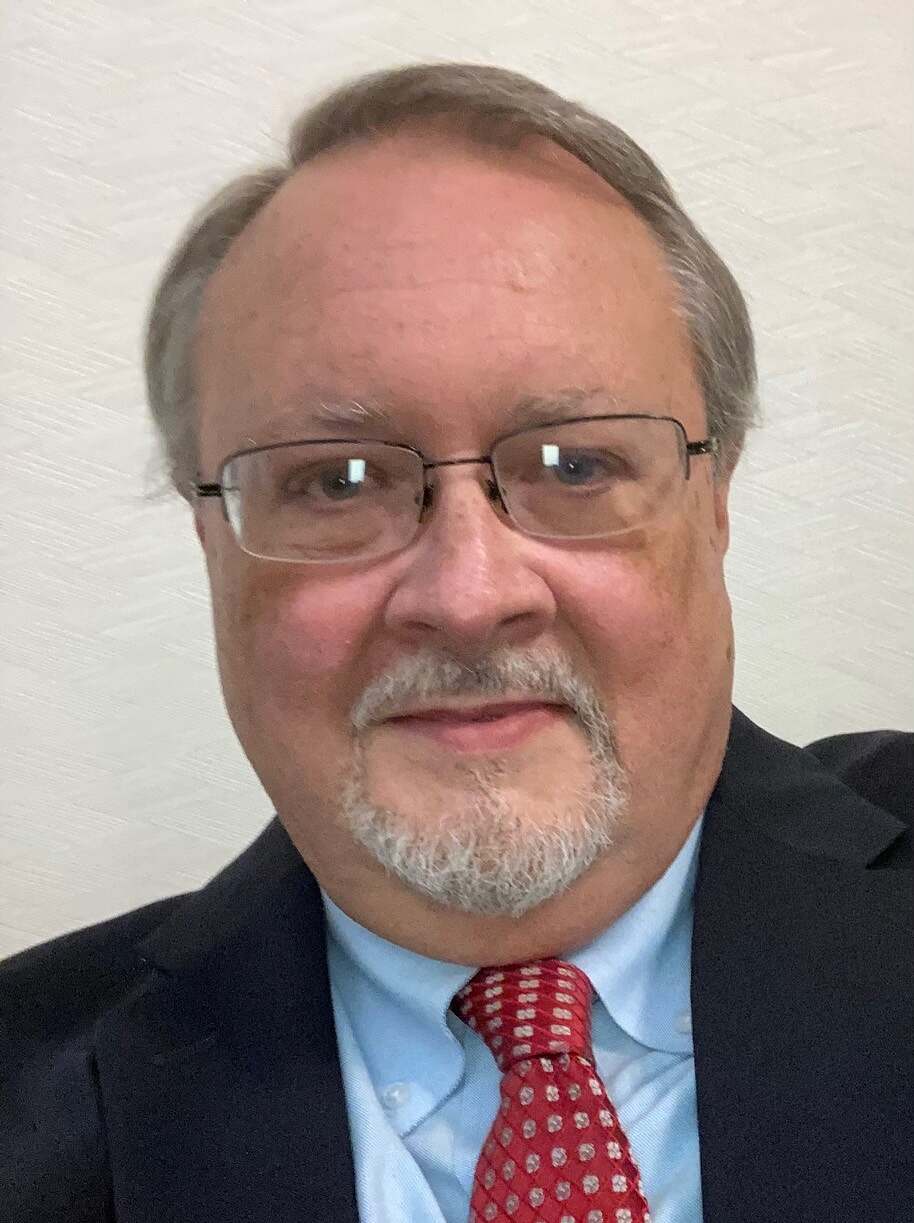
J. Mark Powell is an award-winning former TV journalist, government communications veteran, and a political consultant. He is also an author and an avid Civil War enthusiast. Got a tip or a story idea for Mark? Email him at mark@fitsnews.com.
***
SOUND OFF…
Got something you’d like to say in response to one of our articles? Or an issue you’d like to address proactively? We have an open microphone policy! Submit your letter to the editor (or guest column) via email HERE. Got a tip for a story? CLICK HERE. Got a technical question or a glitch to report? CLICK HERE.
